Supporting Neurodiverse Children In Social Situations
Updated: Jun 30
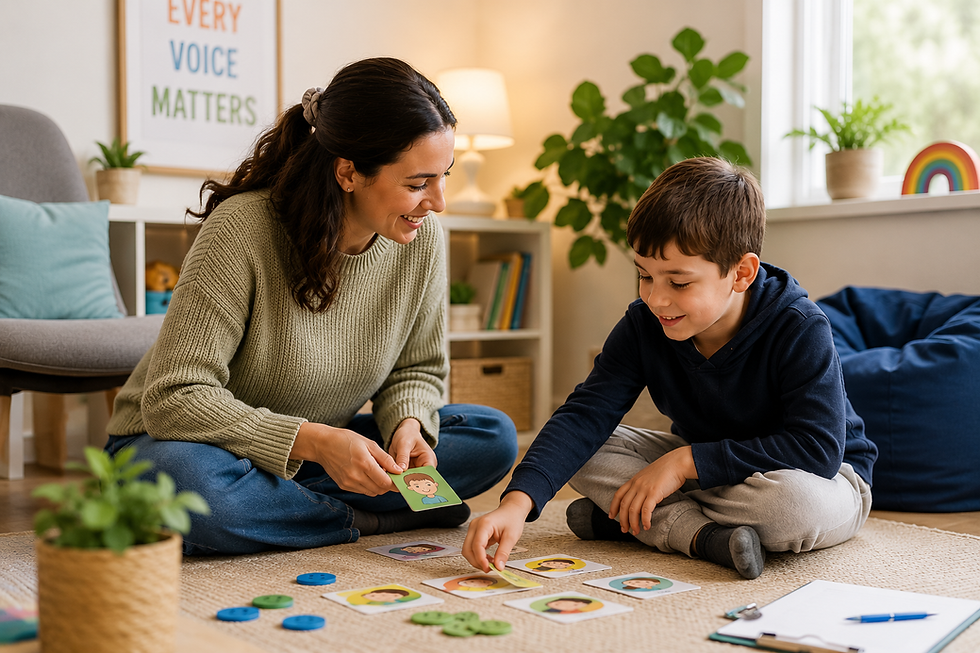
Social situations can feel very different for neurodiverse children. While some children naturally feel comfortable navigating conversations, friendships, and group environments, others may find these experiences confusing, overwhelming, or emotionally exhausting.
For many neurodiverse children, social interaction involves processing a huge amount of information all at once — including facial expressions, body language, tone of voice, group dynamics, sensory input, and unspoken social expectations.
This can make social situations feel tiring, unpredictable, and sometimes stressful. Understanding and supporting neurodiverse children in social situations can help parents better support confidence, emotional wellbeing, communication, and connection over time.
Why Social Situations Can Feel Overwhelming
Every child experiences the world differently, but neurodiverse children may experience additional challenges in social settings such as:
Difficulty reading social cues
Feeling anxious in groups
Sensory overwhelm
Challenges with conversation flow
Difficulty understanding social expectations
Feeling different from peers
Struggling with emotional regulation in busy environments
Becoming exhausted after social interaction
Some children may avoid social situations entirely, while others work extremely hard to “fit in” throughout the day before becoming emotionally overwhelmed afterwards.
Social Struggles Do Not Mean A Child Is Failing
It’s important to remember that neurodiverse children are not “broken” or doing anything wrong.
Many children simply experience communication and social interaction differently.
Supportive environments can help children feel accepted, understood, and more confident navigating social situations in ways that feel safe and manageable.
Often, the goal is not to force children to behave like everyone else, but to help them build confidence, understanding, connection, and emotional safety while still being themselves.
How Supportive Social Groups Can Help
Supportive social skills groups can provide children with opportunities to practise social interaction alongside understanding peers and supportive professionals.
Children may benefit from:
Building social confidence
Developing communication skills
Understanding emotions and social cues
Practising conversations
Learning friendship skills
Feeling included and connected
Building self-esteem and resilience
Many children feel more comfortable learning in smaller, supportive environments where there is less pressure and more understanding.
The Importance Of Neurodiversity-Affirming Support
Neurodiversity-affirming approaches focus on understanding and supporting each child’s individual communication style, sensory needs, and emotional wellbeing.
Support should help children feel safe, respected, and accepted — not pressured to hide who they are.
When children feel emotionally safe, they are often more able to participate socially, build confidence, and develop meaningful connections over time.
Supporting Neurodiverse Children At Home
Parents and caregivers play an important role in supporting neurodiverse children socially.
Helpful strategies may include:
Allowing downtime after social situations
Supporting predictable routines
Talking openly about emotions
Encouraging shared interests
Supporting low-pressure friendships
Celebrating effort rather than perfection
Respecting sensory and emotional needs
Small supportive moments can make a significant difference over time.
Looking For Social Skills Groups In Christchurch?
Talk Together offers social skills groups which aredesigned to help children build confidence, communication skills, emotional understanding, and meaningful social connections in a safe and neurodiversity-affirming environment.
We offer our social skills groups in either Rolleston or Christchurch, don't hesitate to contact our friendly team today for more information.
Frequently Asked Questions
What does neurodiverse mean?
Neurodiverse refers to the natural differences in how people think, learn, process information, communicate, and experience the world.
Are social struggles common for neurodiverse children?
Yes. Many neurodiverse children experience social situations differently and may benefit from supportive environments that help build confidence and understanding.
Should neurodiverse children be forced into social situations?
Supportive encouragement is important, but children should also feel emotionally safe, respected, and supported at their own pace.
How can supportive groups help?
Supportive groups can help children practise communication, build confidence, develop friendships, and feel more socially connected in a safe environment.